Stages of Hair Loss
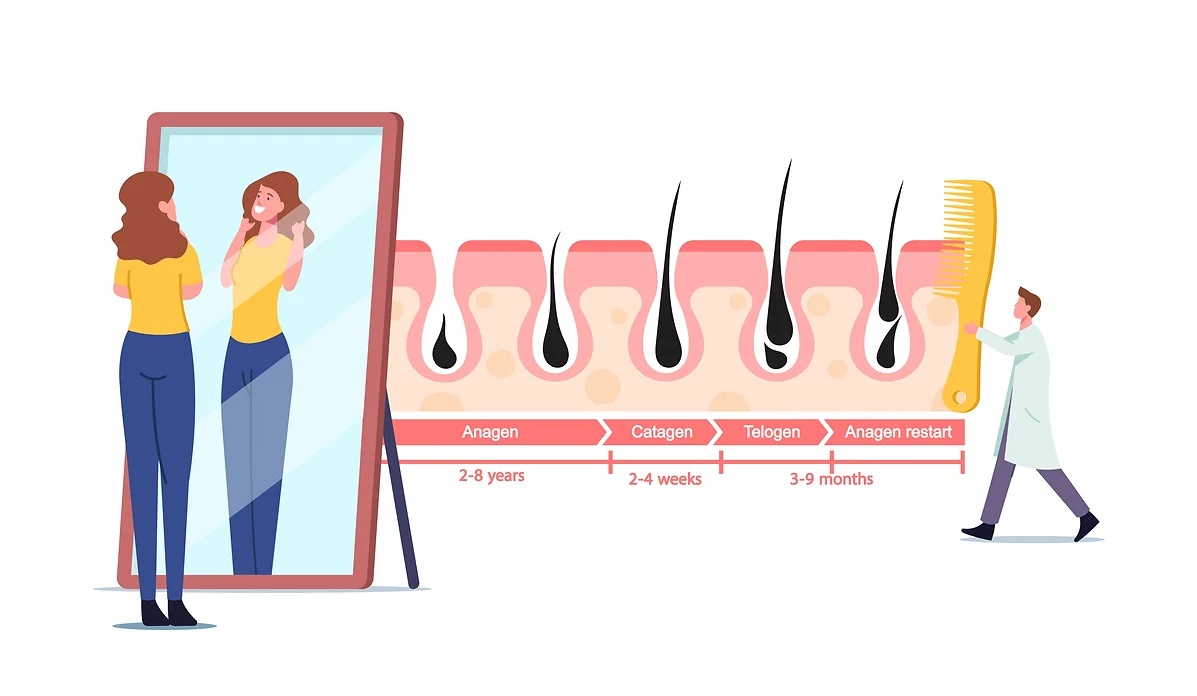
The stages of hair loss in men and women are assessed according to two different classifications. The stages of female hair loss are measured by the Ludwig-Savin Scale and are divided into three major stages. The stages of male baldness are measured by the Hamilton-Norwood classification and are Divided into seven stages.
Stages of
female pattern hair loss(Ludwig-Savin Scale)
female pattern hair loss(Ludwig-Savin Scale)
Female Hair Loss can be caused by stress, hormonal imbalance,anaemia and other diseases, but the most common one being female pattern hair loss. Female pattern hair loss is classified in 3 stages.
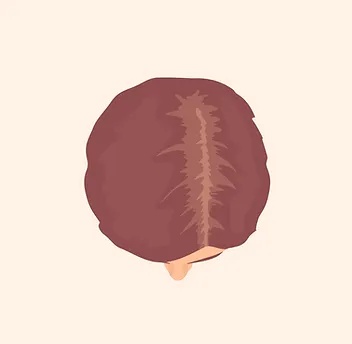
Stage 1
In the first stage, your hair begins to thin at the top of your head. You will see a natural dividing line and a small amount of skin in the middle. Some people may notice signs of thinning at this stage.
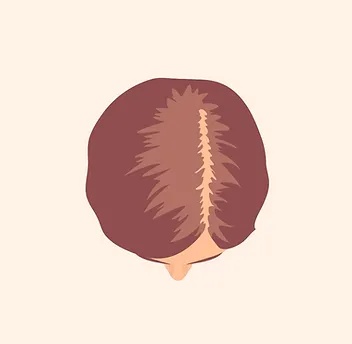
Stage 2
Corresponds to more pronounced hair loss around the midsection. And there are signs of spreading outward. The forehead edge is more affected, but still exceeds 3 cm. At this stage, you must seek medical advice and seek treatment.
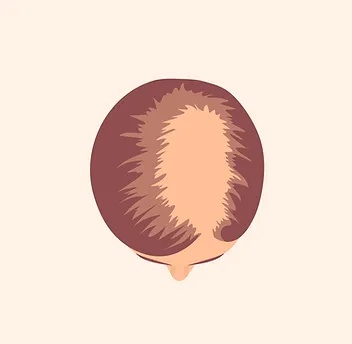
Stage 3
This is the most serious type of hair loss in women. In the later stage, hair loss on the top of the head may even lead to complete baldness, and the hair boundary will completely disappear. This is the most serious stage, so you need to ask your doctor which course of treatment is more appropriate.
Stages of
male pattern hair loss(Hamilton-Norwood)
male pattern hair loss(Hamilton-Norwood)
Among all males suffering from Hair Loss, 95% of them are affected by dihydrotestosterone (DHT),there are seven stages:
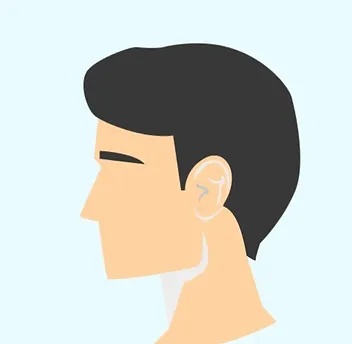
Stage 1
Initial phase, No obvious Hair Loss
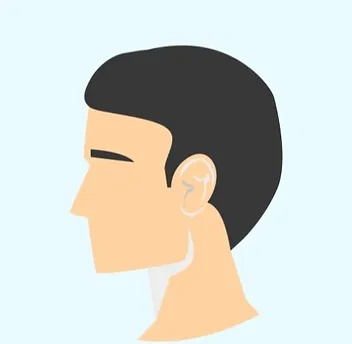
Stage 2
Mild recession of hairline
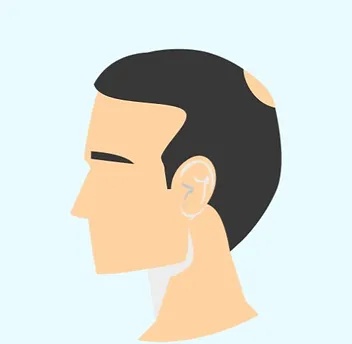
Stage 3
More recession of hairline, crown area becomes less dense
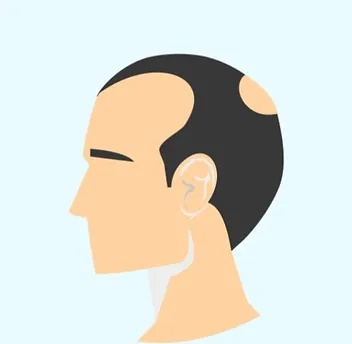
Stage 4
Continuous recession of hairline, baldness appear over crown area
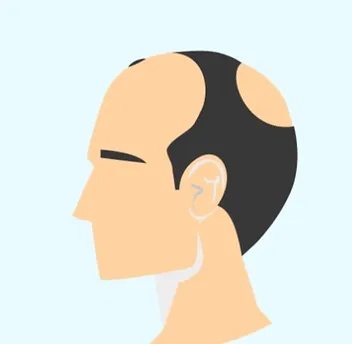
Stage 5
Horseshoe-shaped hairline appears, balding area keeps enlarging
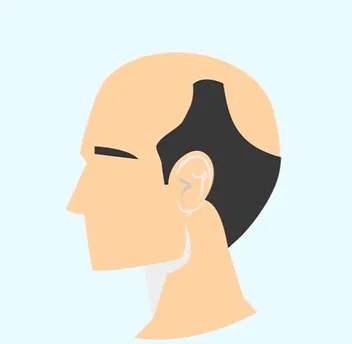
Stage 6
Hairline has crept up to the top, little hair remains on the crown
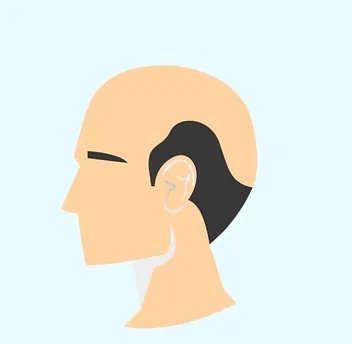
Stage 7
Full-blown baldness


